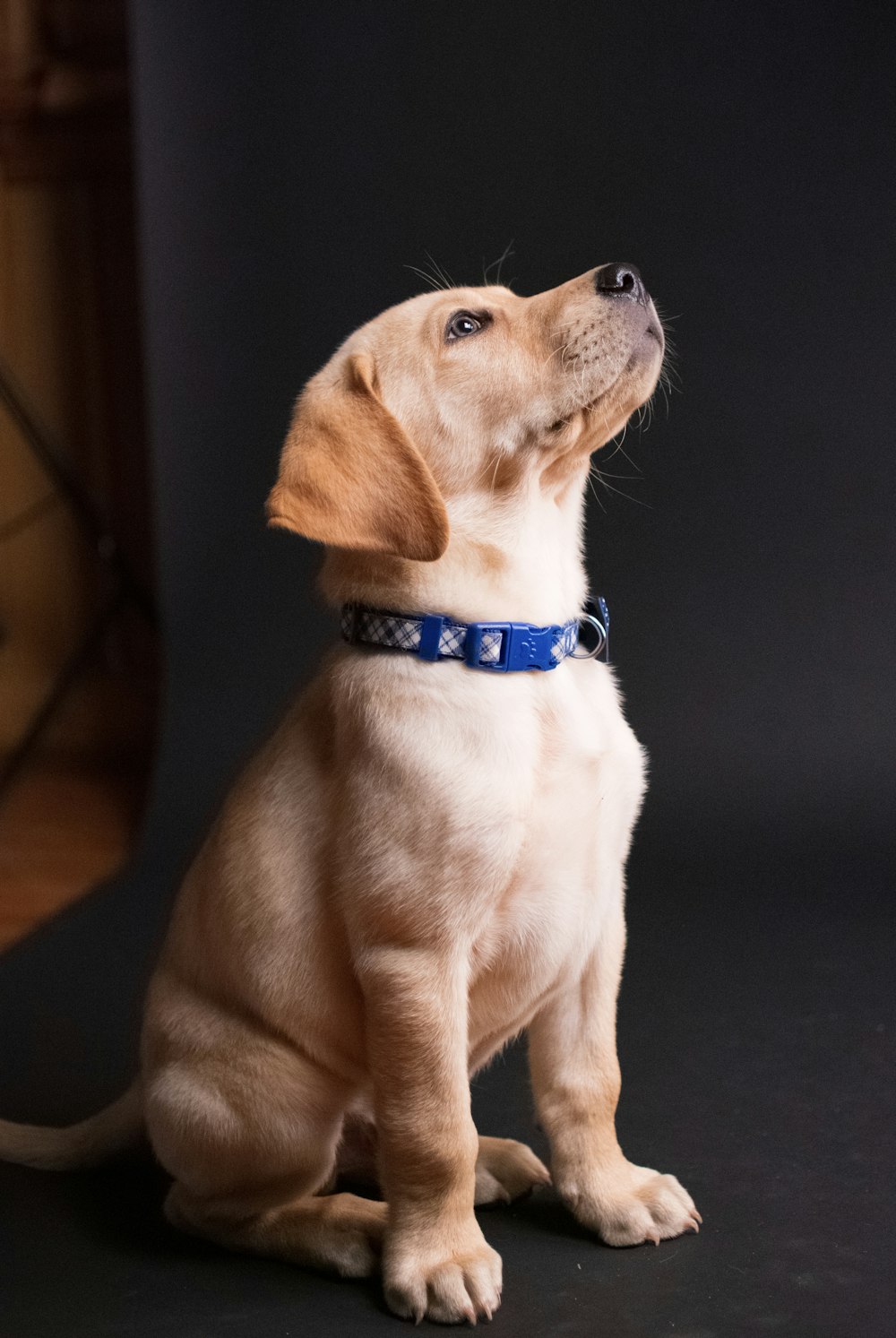
The first time, I thought he just had a bad day. Came home to a shredded pillow, sure, but dogs do that sometimes. The second time, it was the couch cushion. By the third week, I was finding scratch marks on the inside of my apartment door — deep ones, like he'd been trying to dig his way out. My neighbor left a note asking if everything was okay. That's when I stopped making excuses and started figuring this out.
My dog Cooper had separation anxiety. Not boredom. Not spite. Not "bad behavior." Actual, clinical panic that set in the moment I picked up my keys. And fixing it took eight months, cost me about $300 in products and training, and taught me more about dog behavior than anything else I've ever done with him.
How I Knew It Was Anxiety, Not Just Misbehavior
I used to think Cooper was being bad on purpose. Chewing things he shouldn't. Barking at the door. Having accidents. But a behaviorist friend pointed out the key difference: destroying things near the exits (door, windows) and panicking within minutes of you leaving are hallmarks of anxiety, not disobedience. A bored dog chews your shoes. An anxious dog scratches at the door you just walked through.
Cooper's signs were textbook: panting and pacing before I left, following me everywhere, unable to settle, then the destruction started within 15 minutes of me being gone. He'd also greet me frantically when I returned, like I'd been gone for years instead of hours.
What Didn't Work (And I Tried Everything)
Leaving the TV on — Cooper didn't care about talk radio or the Nature channel. He wasn't lonely for noise; he was panicking because I was gone. More exercise — I ran him for an hour every morning before work. He'd sleep for 20 minutes, then wake up and panic. Physical exhaustion doesn't fix anxiety. Punishment — I yelled once. He had no idea why I was mad. He'd been panicking, not plotting. I felt terrible afterward and never did it again.
The Protocol That Finally Worked
I worked with a trainer who specialized in separation anxiety. Here's the plan we followed. It's not glamorous or quick, but it's honest.
Step 1: Vet check. Before anything else, rule out medical causes. Cost: about $100 for the visit. Cooper checked out fine, which meant we could focus on behavior.
Step 2: The "fake exit" game. I'd pick up my keys, put on my coat, walk to the door — then sit back down. Over and over. Cooper learned that my departure cues didn't always mean I was leaving. Did this for about a week, 10-15 minutes at a time.
Step 3: Micro-departures. I'd step outside for 30 seconds. Come back in while he was still calm. Then one minute. Then two. Then five. The key is returning before he starts panicking, so he learns that leaving isn't permanent. I built up to 30 minutes over about 6 weeks. It's incredibly boring and tedious, and it works.
Step 4: Never make a big deal about leaving or coming home. I stopped saying goodbye. I stopped the excited greetings when I returned. Leaving and coming back became the most boring non-events in the world. This alone helped more than I expected.
Step 5: Tools that actually helped. I got an Adaptil diffuser ($40/month — synthetic calming pheromone, subtle but real), a Snuggle Puppy ($35 — a stuffed animal with a heartbeat simulator), and a camera I could talk through ($60 Wyze cam). The camera let me see that he was settling down within 20 minutes instead of panicking the whole time, which was huge for my own peace of mind.
The Setbacks
Around month four, I got cocky. Cooper had been doing great for two weeks straight — calm departures, no destruction, the whole deal. I decided to push from 3 hours to 4 without building up gradually. Came home to a shredded mail pile and a guilty-looking dog. I had moved too fast. We went back to 2 hours and started over. That was discouraging, but the trainer told me: setbacks are not failures, they're data. You learn where the edge is and adjust.
What It Cost Me
Training consult: $150. Adaptil refills: about $160 over 8 months. Camera: $60. Snuggle Puppy: $35. Frozen Kongs (treats for good associations): maybe $50 total. Total: roughly $455. Compare that to the damage he caused: one couch cushion ($100), two pillows ($40), a section of baseboard ($20 repair), and a lot of stress. The training paid for itself.
The Breakthrough
I remember the first time I watched the camera footage and saw Cooper lying on his bed, relaxed, five minutes after I left. He wasn't pacing. He wasn't whining. He was just... waiting. Calmly. I sat in my car and cried a little. It was eight months of work paying off in that one small moment.
He still has his moments. If I leave unexpectedly or for a weirdly long time, he gets anxious. But the destruction stopped. The panic stopped. He learned that I always come back. And I learned to read him well enough to know when he's struggling.
If You're In the Middle of This Right Now
I know how it feels. The guilt of leaving them. The frustration of coming home to damage. The sense that nothing you try is working. I promise you it gets better, but it takes time and consistency. Not punishment. Not expensive gadgets. Just patience and a whole lot of boring micro-departures.
Cooper is eight now. He still gets a little anxious when he sees the suitcase, but he recovers fast. He sleeps on the couch when I'm gone. He waits by the door, but he doesn't panic. That's the goal, and it's reachable.