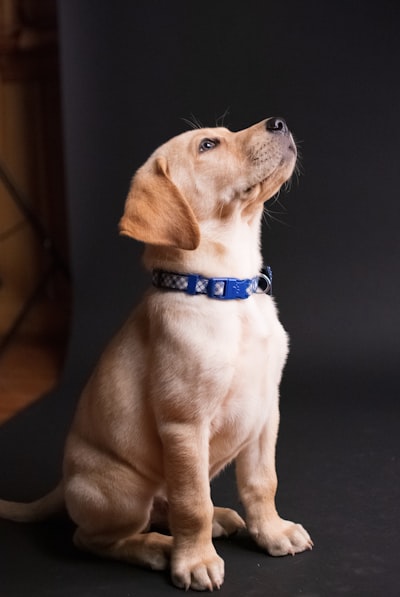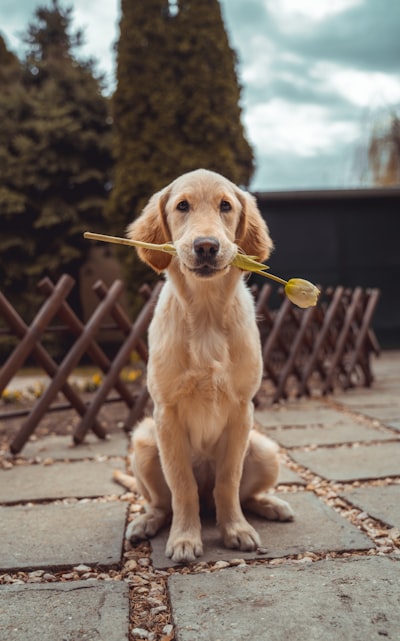
I'll be real with you — the first time I tried to clip my dog's nails, I butchered it. The scream he made still haunts me. A thin ribbon of blood from the quick, and there I was on the bathroom floor holding my Golden Retriever, both of us shaking, me feeling like I'd just tortured my best friend. That was eight years and four pets ago. I've gotten better. Mostly.
The thing is, home grooming isn't rocket science. But it does require decent tools, a little patience, and the willingness to screw up a few times. Here's what I wish someone had told me before I started.
Brushing Isn't Just Brushing
Took me way too long to figure this out. Different coats need completely different tools. I spent six months using a bristle brush on my Siberian Husky and wondering why she still looked like a tumbleweed had exploded on her.
Slicker brushes — the ones with wire pins angled into a flat pad — are what you want for medium to long coats. They grab the loose undercoat without scratching the skin. I learned that one the hard way too. Chris Christensen makes good ones ($25-$45). The cheap ones? They bend and scratch. Don't bother.
Undercoat rakes have these rotating metal teeth that pull dead undercoat without yanking the topcoat. If you've got a double-coated breed — Husky, German Shepherd, Golden — this thing is non-negotiable during shedding season. Twice a year my Husky sheds enough fur to build a second dog. I'm not exaggerating. The rake handles it. Barely.
Bristle brushes (boar or nylon) are for short-haired breeds. Beagles, Boxers, most cats. They spread natural oils around and give the coat some shine.
Brush daily in spring and fall when the undercoat blows. Otherwise, twice a week for long coats, once a week for short. Or whenever you remember. I'm not your mom.
Bathing — Yeah, You're Probably Overdoing It
Here's something I didn't believe until my vet told me: every 4 to 8 weeks is plenty for most pets. I used to bathe my dog every two weeks because I thought that's what you're supposed to do. Turns out I was stripping his natural oils and giving him dry, itchy skin. Oops.
Use lukewarm water — test it on your wrist like you would for a baby. Hot water burns. Cold water is cruel.
Pet shampoo only. I don't care how expensive your human shampoo is. Our pH is around 5.5, dogs and cats are 7.0 to 7.5. Using yours will dry their skin out. I use Earthbath oatmeal and aloe for sensitive skin — about $10 a bottle, lasts me two months on one dog. Honestly, it smells pretty good too, which is more than I can say for some of the cheap stuff.
Brush before you bathe. Wetting a matted coat makes the mats tighter and ten times harder to deal with. Put a rubber mat in the tub — terrified paws need grip. Gorilla Grip makes a decent one for $13. Wet from the neck down, avoid the head until the end. Lather and massage for a few minutes. Rinse until the water runs totally clear — I mean run your hand through the fur and squeeze. If you see suds, keep rinsing. Shampoo residue causes hot spots. And for the love of god, put a cotton ball in each ear canal (not jammed in, just resting) so water doesn't get in there. Ear infections are brutal.
Nail Trims — The Thing Everybody Panics About
That first disaster I mentioned? It happened because I didn't understand the quick. The quick is the blood vessel and nerve bundle inside each nail. In light-colored nails you can see it — that pink section. In dark nails you can't see a thing, and that's where people mess up.
For dark nails: trim tiny slivers off the tip. Look at the cut surface. When you see a dark gray or pinkish oval appear in the center, stop. That's the quick getting close. I've still nicked it a few times since then. It happens. I'm still not sure I shouldn't have just taken him to a pro for those first few trims.
I use both clippers and a grinder, for different reasons. Miller's Forge clippers ($12) — guillotine-style, sharp, clean cuts. Good for most dogs, not great for giants like Mastiffs or Danes. The Dremel 7300-PT cordless grinder ($45) is slower but safer — you shave off tiny bits instead of risking a big chomp. It also smooths the rough edge clippers leave behind. My dogs prefer the grinder. I think it's less jarring for them.
If you do nick the quick: styptic powder ($6 on Amazon) or plain cornstarch pressed into the tip stops bleeding in seconds. I keep it within arm's reach every single time. Every 3-4 weeks for most dogs. If you hear clicking on the floor, they're overdue.
Ear Cleaning — Don't Stick Stuff in There
My vet drilled this into me and I'll pass it on: never use cotton swabs in a pet's ear. You push debris deeper and you can rupture the eardrum. Period. End of story.
Here's what actually works. Use a vet-approved ear cleaner like Virbac Epi-Otic ($18). Fill the ear canal with the solution. Massage the base of the ear for 30 seconds — you'll hear a squishing sound, which is the cleaner breaking up wax. Let your pet shake their head — they'll fling the gunk out. Then wipe the visible part of the ear with a cotton ball or soft gauze. Never go deeper than you can see.
Signs you need a vet, not a cotton ball: redness or swelling inside the ear flap, dark brown or black waxy discharge (usually yeast), yellow pus (bacterial infection), a weird smell, head shaking, pawing at ears, tilting the head. If you see any of that, stop cleaning and call your vet. You're not going to fix an infection with ear wipes.
Teeth — The Thing Everybody Ignores Until It's Expensive
Over 80% of dogs and cats show signs of dental disease by age three. I didn't believe that stat until I worked as a vet tech and saw three-year-old dogs with rotting teeth. Now I'm annoying about brushing.
Use a pet-specific toothbrush (long handle, angled head) or a finger brush. Virbac C.E.T. makes good ones ($7). Pet toothpaste only — xylitol-free, enzyme-based. The C.E.T. poultry flavor is what I use — my dogs treat it like a treat, which makes things way easier. Aim for 30 seconds per side, focusing on the outer surfaces of the upper back teeth. That's where tartar builds up fastest. Even three times a week makes a big difference.
About dental chews: not all are created equal. Look for the VOHC seal on the bag — that means there's actual clinical data behind them. Greenies, Purina DentaLife, and Whimzees all carry it. Raw bones and hard nylon chews can crack teeth. I've seen it happen. The surgery to fix a cracked tooth? Over $1,000. Stick with the chews that have the seal.
My Toolkit — What I Actually Bought and What It Cost
Here's what's in my grooming bag right now. I checked my Amazon history to get the prices right.
- Chris Christensen Big G slicker brush — $35. Painful to spend that much on a brush but it's been worth it.
- Andis undercoat rake — $13. Cheap and does the job.
- Miller's Forge nail clippers (small/large set) — $18.
- Dremel 7300-PT nail grinder — $45. The big purchase. My bank account still hasn't forgiven me but my dogs prefer it to clippers.
- Styptic powder (any brand) — $6. Buy it before you need it.
- Earthbath oatmeal shampoo — $10.
- Virbac Epi-Otic ear cleaner — $18.
- C.E.T. poultry toothpaste + toothbrush set — $12.
Total one-time cost: about $100-$110. Compare that to a single pro grooming visit ($50-$80 where I live), and you've broken even in two sessions. My wallet appreciated that math.
When to Just Pay the Professional
I'm all for DIY grooming. But I also know when I'm out of my depth.
DIY is fine for: routine brushing, bathing between pro visits, nail maintenance, ear cleaning, dental care. The day-to-day stuff.
Call a pro when: your pet has severe matting close to the skin (you can cut them trying to shave it yourself), you need a breed-specific cut (Poodle, Schnauzer, Bichon, Shih Tzu — I can't do those and I've accepted that), your pet is aggressive or terrified during nail trims despite weeks of counter-conditioning, or you spot a lump or skin issue you don't recognize. Groomers see hundreds of dogs a year. They notice things.
A full groom (bath, dry, cut, nails, ears) runs $50 to $80 where I live. For a 60-pound Lab every 6 weeks, that's $400 to $650 a year. My one-time tool investment of $100 covers years of maintenance in between.
Three Things I Wish Someone Had Screamed at Me
I've seen too many people make these mistakes not to yell about them.
Never shave a double-coated breed. Huskies, Goldens, German Shepherds, Chow Chows — their undercoat insulates against heat AND cold. Shaving them ruins their natural temperature regulation and the coat often grows back patchy and damaged. I've seen a shaved Husky that never grew a proper coat again. Don't do it.
Never use human shampoo. My neighbor used her Pantene on her Lab and he developed hot spots within a week. Different pH wreaks havoc on pet skin. Just buy the $10 pet shampoo.
Never force a stressed pet through grooming. You will damage your relationship and the pet will associate the tools with fear forever. Stop. Decompress. Start again slower. A skipped grooming session is better than a traumatized pet.
Honestly, home grooming saved me hundreds of dollars a year. But it also gave me something I didn't expect — quiet moments of trust with my animals. The first time my Husky fell asleep mid-brush. The day Charlie offered me his paw for a nail trim instead of pulling it away. That's the stuff that makes the mess and the patience worth it.
Start with one task. Get good at it. Add another. And if you mess up — and you will — your pet will forgive you. They're better at that than we are. ✂️🐾