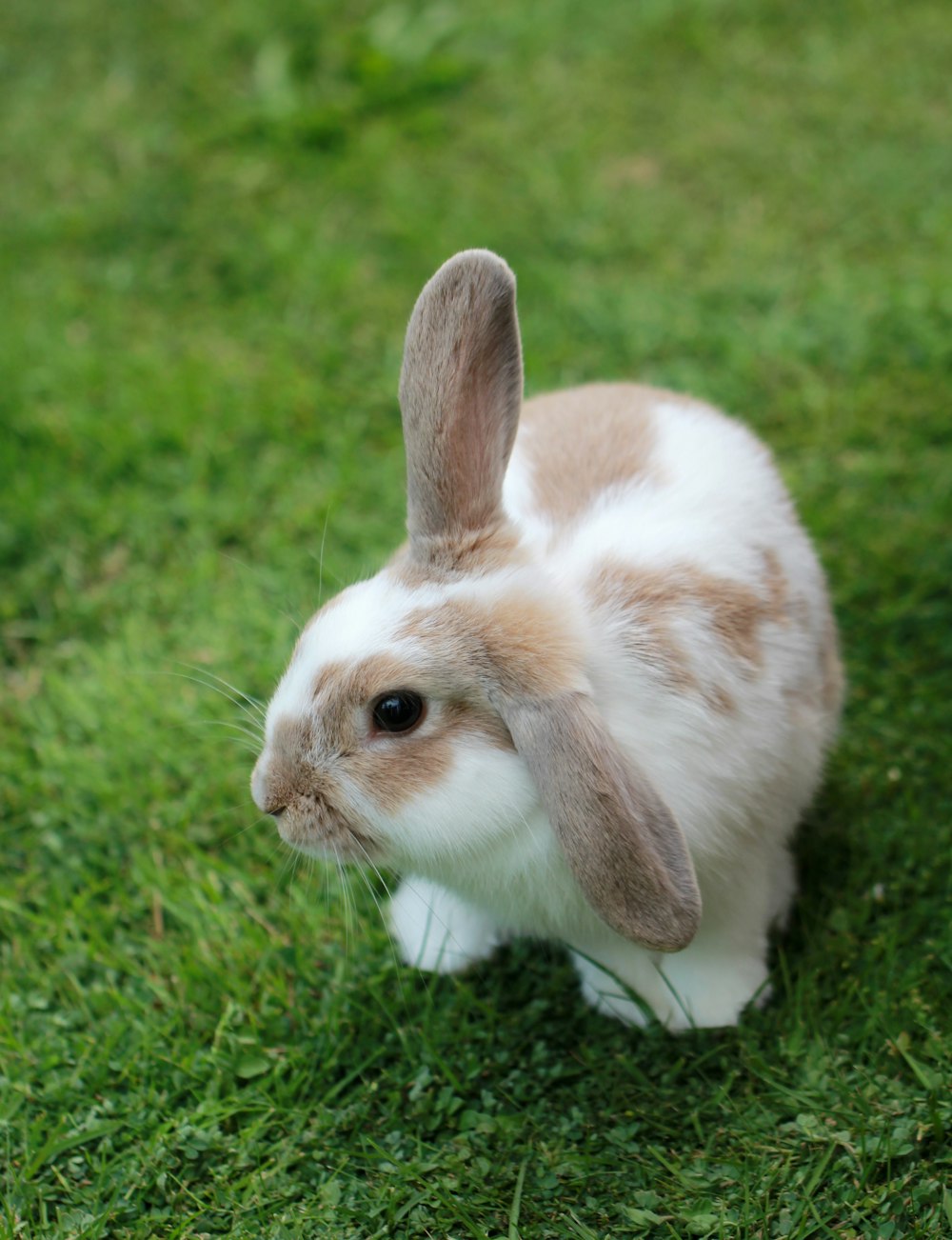
I almost lost my rabbit Leo three winters ago. He was totally fine in the morning — ate his hay, did his little zoomies around the living room, thumped at the neighbor's cat through the window like always. By midnight he was hunched in the corner of his x-pen, refusing cilantro (his absolute favorite food on the planet), and his belly felt hard and tight under my fingers. The emergency vet bill came to $1,700 before they even told us if he'd pull through.
That's the part nobody mentions when they say "rabbits are great starter pets," which I hear at pet stores, from well-meaning family, from people who've never actually owned one. It might be the biggest lie in the whole pet industry, and it's the reason thousands of rabbits end up in shelters every single year. Rabbits are not easy. They're not low-maintenance. And they are absolutely not practice pets for kids.
I've kept rabbits for about twelve years now. Leo was my third. Before him there was Mabel, a grumpy rescue who lived to be 10, and Pepper, who died from GI stasis at age 4 because I didn't recognize the signs in time. I've cried over all of them. My bank account still hasn't recovered from some of those vet visits. But I keep coming back because when you get it right — and I mean genuinely right — they're some of the most ridiculous, affectionate, weird little animals you'll ever share a house with.
Why Do Pet Stores Still Sell Those Tiny Hutches?
Honestly, it ticks me off every time I walk into a chain pet store. There it is: a wire-bottomed hutch with a water bottle strapped to the side, marketed as a "rabbit home." The thing is maybe two feet by three feet. That's not a home. It's a cage. Rabbits need to run, jump, stretch up on their hind legs, do full-speed zoomies across the room. A hutch gives them none of that.
Here's what you actually need: a 48-inch x-pen at minimum, giving about 32 square feet of space. That's what I've got set up in my living room. I lined it with a low-pile rug because rabbits hate sliding on hard floors — they panic and scramble. I leave the gate open during the day so Leo free-roams the whole room. I've got spiral tubing on every cord, plastic corner guards on the baseboards, and I cleared out all my houseplants after learning the hard way that a rabbit will absolutely eat a toxic peace lily and end up at the vet.
And please, keep your rabbit indoors. Outdoor hutches are a disaster waiting to happen. Predators, heat stroke in summer, loneliness — outdoor rabbits live shorter, more stressed lives. They're not lawn ornaments.
The 80-10-5 Rule (And Why Hay Is Everything)
Rabbits have the most fragile digestive system of any pet I've dealt with, and I've owned a lot of animals. If they go more than 12 hours without eating, their gut can literally stop moving. That's called GI stasis, and it's just as terrifying as it sounds.
The breakdown is simple:
- 80% hay — timothy, orchard grass, meadow hay. Not alfalfa, which is for baby rabbits and way too rich for adults. Leo goes through a 10-pound box of Small Pet Select hay every three weeks, and yeah, it's pricier than the store brand, but it's greener and he actually eats it instead of using it as bathroom bedding.
- 10% fresh leafy greens — romaine, cilantro, parsley, dill, carrot tops. I rotate them so he doesn't get bored.
- 5% pellets — timothy-based, no seeds or colored bits. I use Oxbow Garden Select. A 5-pound rabbit gets about a quarter cup a day. That's it.
- 5% treats — a slice of banana, a couple blueberries, some fresh herbs.
The mistake most people make is overfeeding pellets. I did it with Pepper. She'd fill up on the bowl, ignore her hay, and ended up with dental disease that cost me a small fortune to treat. Pellets are a supplement, not the main course. Hay is everything.
Also, avoid iceberg lettuce — it's basically crunchy water with no nutrition. And yogurt drops should be illegal, I swear. I don't know why pet stores still stock that sugary junk.
What's With All the Weird Rabbit Behaviors?
Rabbits aren't "quiet pets." They're communicating constantly, you just need to learn the language. Here's a quick translation guide:
- Binky — that insane jump where they twist mid-air and kick their feet. It means "I'm so happy I can't contain it." If you see a binky, pat yourself on the back.
- Tooth purring — a soft, gentle grinding sound. They're content. Basically a cat purr, but from a rabbit.
- Loud tooth grinding — this is NOT purring. This means pain. If you hear a harsh, grating sound, get to a vet now.
- Thumping — one hard stomp of the back foot. "Danger!" or "I'm annoyed." Leo thumps every single time the neighbor's cat walks past the window. It's his personal alarm system.
- Flopping — they throw themselves onto their side like they've been shot. Terrifying the first time you see it. Actually means "I trust you so completely I'm going to pass out right here."
- Circling your feet — usually hormonal. Gets way better after spaying or neutering.
Every rabbit has a totally different personality. Mabel was shy and hid from everyone except me. Leo is a little jerk who nudge-nudge-nudges my ankle until I feed him, then acts like I'm interrupting his day. Get to know yours.
GI Stasis Is Every Rabbit Owner's Nightmare
I mentioned Leo's scare already, but let me go deeper because this is the single thing that kills more rabbits than anything else. GI stasis — gastrointestinal stasis — is when the digestive system just shuts down. Stops moving. No droppings. And it can kill a rabbit in under 48 hours.
Watch for these signs: no droppings for 8-12 hours, refusing food (especially favorite treats), hunched posture, that painful-sounding tooth grind, a bloated belly, extreme lethargy. If you see any combination of these, call a rabbit-savvy vet immediately. Not in the morning. Not "let's see if he eats dinner." Right now.
Leo's episode cost me about $1,700 for overnight hospitalization, fluids, motility drugs, and syringe feeding. He was touch-and-go for two days. The vet asked if I wanted to keep going with treatment. I said yes. I'm still not entirely sure that was the right call financially — I put part of it on a credit card and was paying it off for months. But he's still here, thumping at the neighbor's cat, eating his hay, being a little menace. So I guess it worked out.
Find a vet who actually knows rabbits before you bring one home. Not all vets treat exotics. Call ahead. Ask specifically. Your regular cat-and-dog vet might not know how to handle a rabbit in crisis, and you don't want to find that out at 2 AM.
Your Rabbit Needs a Friend Who's Also a Rabbit
Look, I'll be straight with you: you can't replace a rabbit. You're not a rabbit. You don't speak rabbit. You leave the house for work every day. Rabbits are herd animals — they evolved to live in groups. A solo rabbit can get lonely, depressed, stressed out, and sick.
I know bonding two rabbits is a pain. It took me six weeks to bond Leo with a rescue doe I adopted. Six weeks of swapping litter boxes, neutral territory meetups, stress bonding in the bathtub, and me sitting on the floor like a therapist mediating a bad relationship. But now? They groom each other, flop side by side, share a hay pile. Watching them is better than any TV show.
If you genuinely can only keep one rabbit, you need to spend serious time with them every single day. Floor time. Sitting at their level, letting them climb on you, offering treats, talking to them. Not just existing in the same room while you're on your phone.
Let's Talk Actual Costs Because Nobody Does
Here's what a rabbit really costs:
Upfront stuff ($300-500):
- A decent x-pen: about $80
- Litter box and paper-based litter: $40 or so
- A water bowl, not a bottle (bottles are impossible to fully clean): $10
- Spay or neuter surgery: $200-400 depending on your area
- First vet checkup: around $75-100
- Rabbit-proofing supplies: I spent about $50 on cord covers and corner guards
- A sturdy carrier: $40
Monthly costs ($60-100):
- Timothy hay (the good stuff from Small Pet Select or Oxbow): $25-40. My rabbit goes through a 10-pound box every three or four weeks.
- Fresh vegetables: about $20
- Pellets: $12 for a bag that lasts a while
- Paper-based litter: $15
- Toys and enrichment: $10-20. Honestly, cardboard boxes and paper towel rolls work fine. Rabbits are cheap dates.
Yearly vet costs ($200-500 if nothing goes wrong):
- Annual checkup: $50-100
- Vaccinations if needed in your area: $50-100
- Nail trims: $10-20 per session, or you can learn to do it yourself (I did, after one too many stressful trips)
- Emergency fund: set aside at least $500-1,000. Trust me on this one.
Rabbits live 8 to 12 years. For a bonded pair, you're looking at well over $10,000 in total costs over their lifetime. If that number makes you uncomfortable, that's fair. Better to figure that out now than to surrender a rabbit because the vet bill wiped out your savings.
Three Mistakes I Made So Hopefully You Won't
1. Picking them up wrong. Rabbit spines are incredibly fragile — like, a bad kick while being held can fracture their back. I learned this after Leo squirmed out of my arms one time. Thank god he landed on the couch and not the floor. The right way: one hand under the chest, one hand supporting the hindquarters, held snug against your body. Most rabbits don't love being picked up anyway. Sit on the floor with them instead.
2. Ignoring the early GI stasis signs. I thought Pepper was just having an off day. She wasn't. By the time I got her to a vet, it was too late. If your rabbit stops eating, do not wait. Trust your gut.
3. Getting only one rabbit. I covered this already, but it deserves repeating. Solo rabbits develop behavioral problems — aggression, destructive chewing, depression. Get two. They'll keep each other company while you're at work and you'll have double the binkies to watch.
So, Are You Actually Ready for a Rabbit?
I'm not going to tell you to get one. Honestly? Most people shouldn't. They're expensive, fragile, and a decade-long commitment. They're not trial runs before getting a dog. They're not low-maintenance starter pets for kids. They're exotic animals with complicated medical needs and very specific requirements.
But. If after reading all of this you're still interested — find a rabbit-savvy vet first. Set up a proper x-pen. Buy a bale of timothy hay. And adopt a bonded pair from a rescue, please. Don't buy from a pet store or a breeder. There are thousands of rabbits sitting in shelters right now waiting for someone who actually understands what they're signing up for.
They're not easy. But man, they're worth it.