Look, I get it. I was working sixty-hour weeks at a marketing agency back in 2022, eating takeout four nights a week, and still managed to convince myself I needed something alive in my apartment besides the spider plant. My bank account still hates me for some of the decisions I made back then. So let me save you some money and a whole lot of frustration.
The thing is, "low maintenance" doesn't mean zero maintenance. What it actually means is that the animal's needs fit around your schedule instead of the other way around. I've kept or fostered just about everything on this list, and I've got opinions. Strong ones.
1. Cats — The Obvious Choice, but Read the Fine Print
My cat Mochi came from a shelter in 2021. She was three years old, already litter-trained, and had that look of "I've seen things, human." Cost me $85 to adopt her, including spay and first shots. Best money I ever spent.
Cats work for busy people, but here's the catch nobody puts on the cute Instagram reels: they need you. Not all day, but they need something from you every day. Fifteen minutes of play with a wand toy. A lap to sit on while you watch Netflix. A clean litter box, because trust me, a cat with a dirty box will let you know by pooping on your bathmat. (Learned that one the expensive way. The rug cleaner alone cost me $40.)
If you work 10-hour days, get two cats from the same litter. They'll keep each other company, and honestly, watching them wrestle at 11 PM is better than any TV show.
- Time: 15–20 minutes daily. Litter takes 5 minutes. Play takes 10.
- Cost: Adoption runs $50–$150. Supplies (litter box, carrier, scratching post) maybe $200 upfront. Food and litter runs me about $60/month.
- Space: Fine for apartments. Mochi has claimed the entire bookshelf as her territory.
- Lifespan: 12–20 years. Which means you're signing up for a relationship longer than most marriages.
2. Fish — Soothing or Soul-Crushing? Depends on How You Start
I set up my first aquarium in 2023 and nearly quit after three weeks. The problem wasn't the fish — it was the cycle. You can't just fill a tank with water and dump fish in. The nitrogen cycle takes 4–6 weeks. You're testing water with little dropper bottles, cursing at ammonia levels, and wondering why nobody told you about this part.
But once it's established? Something about watching fish drift through plants after a bad day actually works. There's real research on this — lowers blood pressure and all that. My 20-gallon tank has been stable for over a year now, and I spend maybe 10 minutes a week on it.
What I wish I knew before buying:
- Time: 10–15 minutes weekly after it's cycled. But the first month is a project.
- Cost: I dropped $350 on my setup (tank, filter, heater, light, plants). Ongoing is maybe $25/month for food and replacement filter media.
- Space: My 20-gallon sits on a $40 stand from IKEA. Takes up about 2 feet of wall.
- Lifespan: Depends wildly on species. My cherry barbs are going on two years. My betta lasted four.
If you want fish, start with a 10-gallon, cycle it properly, and don't buy the $10 starter kit from the big-box store. It's garbage and you'll replace everything within six months anyway.
3. Hamsters — Perfect for Night Owls, Tiny Escape Artists
I had a hamster named Nugget in college. That little guy escaped three times. I found him once in my winter boot, once behind the fridge, and once I never found at all — he just reappeared in his cage two days later looking smug. Little a-hole.
Hamsters are nocturnal, which actually works great if you work 9-to-5. They're asleep when you're at work, active when you're home. The problem is the cage situation. Those colorful plastic habitats with the tubes? They're way too small. Like, cruelly small. A Syrian hamster needs 600+ square inches of floor space — think a 40-gallon breeder tank. And 6 inches of bedding to burrow in.
My setup for Nugget 2.0 (yes, I got another one. I'm a glutton for punishment) cost me about $150 — a 40-gallon bin cage I made myself with hardware cloth and a soldering iron. YouTube tutorial took 20 minutes. He's never escaped. Yet.
- Time: 5 minutes for food and water daily. Full cage clean takes 30–40 minutes every few weeks.
- Cost: A proper cage setup runs $100–$200. Bedding alone is like $20/month if you use paper-based stuff.
- Space: Bigger than you think. Measure first.
- Lifespan: 2–3 years. Which is brutal. I'm still not over Nugget 1.0.
4. Leopard Geckos — Honestly, These Are the Secret Winners
Okay, I'm biased. My leopard gecko Gex has been with me for four years. I got him when I was traveling three days a week for work, and everyone told me I was being irresponsible. But here we are. He's thriving, I've never missed a feeding, and he requires less daily attention than my Wi-Fi router.
Leopard geckos are crepuscular — active around dawn and dusk, which matches most human schedules. They don't need handling (though Gex tolerates it with visible annoyance). Feed adults every 2–3 days. Spot-clean once a week. That's genuinely it.
But — and I cannot stress this enough — you have to set up the tank correctly. An under-tank heater without a thermostat will literally cook your gecko. I paid $45 for a thermostat on Amazon and it's the single most important piece of equipment in that tank.
- Time: 5 minutes to feed every 2–3 days. 15 minutes for cleaning once a week.
- Cost: Setup cost me about $300 (20-gallon tank, heating, thermostat, hides, UVB light). Insects and calcium powder run maybe $25/month.
- Space: A 20-gallon long tank fits on a desk or shelf just fine.
- Lifespan: 15–20 years. Gex will outlive my car.
I have a friend who works in finance — 60-hour weeks, the whole thing. She's got three leopard geckos on a custom shelving unit in her office. Feeds them Monday, Wednesday, Friday. Spends maybe $35 a month total. They're healthier than some shelter cats I've seen.
5. Guinea Pigs — I Love Them but I Won't Recommend Them Lightly
This one hurts because I adore guinea pigs. Their little wheeking sounds when you open the fridge? Undefeated. But they are NOT a low-maintenance pet for busy people, and I need to be honest about that.
First: it's illegal to own a single guinea pig in Switzerland. That should tell you something. They need a companion. So you're getting two, which doubles the cleaning, the food cost, and the vet bills.
Second: fresh vegetables every single day. Not every other day. Every day. Vitamin C is essential and they can't make it themselves. If you have trouble keeping lettuce in your fridge for yourself, don't do this.
- Time: 20–30 minutes daily for veggie prep, spot-cleaning, and social time. A full cage clean is 45 minutes of your Sunday.
- Cost: Setup runs $200–$400. Hay alone is $15–$20 a month. Two pigs cost me about $55/month total.
- Space: They need a LOT. 8 square feet minimum for a pair. More is better. Midwest Guinea Pig Habitat is the bare minimum I'd recommend.
- Lifespan: 5–8 years.
Look, if you have the bandwidth, they're wonderful animals. But don't buy guinea pigs thinking they're "easier" than a cat. They're not.
6. Betta Fish — The Most Misunderstood Pet in America
I'm going to say something that might make some people mad: that betta in a bowl on your coworker's desk is probably miserable. They're tropical fish. They need warm water (78–80°F), a filter, and a tank that's at least 5 gallons.
I know they sell them in cups. I know the pet store says they "live in puddles in the wild." That's a myth that refuses to die. In Thailand, where they come from, they live in shallow but warm, planted rice paddies — not cold, stagnant water.
My betta Kaito lived in a 10-gallon planted tank for four years. He was the most interactive fish I've ever had — would swim up to my hand during water changes, flare at his own reflection, eat from my fingers. Once you give them proper conditions, they show actual personality.
- Time: 10 minutes weekly for a water change. Seconds to feed. That's it.
- Cost: A proper setup is $80–$150. $15/month for food and supplies.
- Space: A 5-gallon tank takes up about as much room as a stack of textbooks.
- Lifespan: 3–5 years with good care. In a bowl? 6 months, if you're lucky.
A properly kept betta is genuinely one of the lowest-effort pets you can own. Just don't cut corners on the setup.
7. Budgies — I Wanted to Skip These but You Deserve the Truth
Budgies (parakeets to most people) are marketed as "beginner birds." At the pet store they're cheap, they're pretty, and they seem easy. I'm not going to lie to you.
They're loud. I mean LOUD. A happy budgie is a screaming budgie. My neighbor had one during the pandemic and I could hear it through two walls during Zoom calls. If you live in an apartment, think very carefully about this.
And they need daily social time. A single budgie sees you as its flock. That means 30–60 minutes of out-of-cage interaction every single day. Get a pair and they'll entertain each other, which helps, but you're still cleaning up seed hulls from literally everywhere.
- Time: 15–30 minutes daily for food and cage cleaning. Plus social time. Minimum 30 minutes.
- Cost: $150–$300 for a proper flight cage. Food and toys run about $30/month. They destroy toys, FYI.
- Space: They need a flight cage, not those tiny round ones. Minimum 18x18x18 inches.
- Lifespan: 7–15 years. It's a commitment.
Honestly? If you WFH, a pair of budgies can be great background company. But if you're out of the house 10 hours a day and come home exhausted, pick something else.
So What's the Verdict?
Here's how I'd rank them for genuinely busy people, based on what I've actually lived through:
- Leopard gecko: Best kept secret on this list. Low time, moderate setup cost, lives forever.
- Betta fish: If you set up the tank right, it's almost too easy. Perfect starter pet.
- Cat (bonded pair): They manage each other. Just don't skip the daily play session.
- Hamster: Good for night workers. Short lifespan hurts.
- Community fish tank: High upfront effort, then smooth sailing.
- Budgies (pair): Only if you WFH or have serious social bandwidth.
- Guinea pigs (pair): Wonderful animals. Not for the truly busy.
Stuff I Wish Someone Had Told Me Before I Started
I've made basically every mistake you can make. Here's the short version so you don't have to:
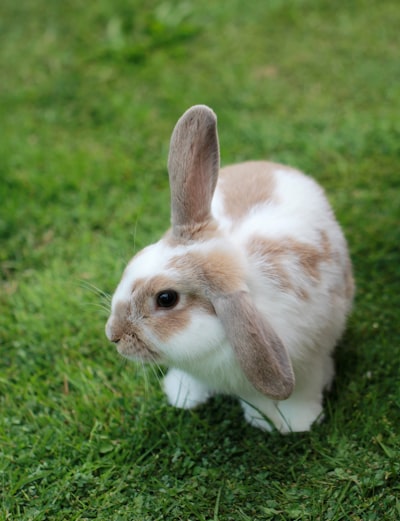
- Easter bunnies are a scam. Every spring, pet stores sell baby rabbits to families who surrender them by July. Rabbits live 8–12 years, need specialized vet care, and destroy baseboards. Don't do it.
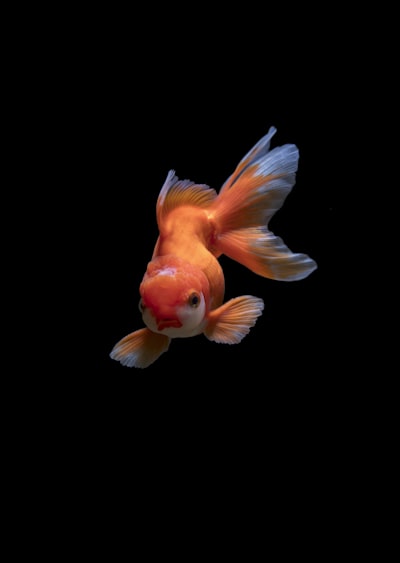
- Goldfish are not beginner pets. A common goldfish needs 75+ gallons. Yes, really. They grow to be a foot long and produce more waste than a much larger fish. Those tiny bowls are torture devices.
- Pet store employees are not experts. I was told a 10-gallon tank was "plenty" for a goldfish. It's not. Read a forum. Watch a YouTube video. Do your own research before you buy anything.
- Pay the adoption fee. "Free" pets on Craigslist come with zero history and often with expensive health problems. Shelter fees include vaccinations, spay/neuter, and a health check. Cheaper in the long run.
What Actually Matters at the End of the Day
No pet is zero work. None. Even a betta needs clean water and warm temperatures. Every living thing needs something from you.
But there's a difference between "this animal needs 5 minutes of care" and "this animal needs someone to restructure their entire life around it." The honest goal is to find the one that fits your Tuesday night after a terrible meeting, when you've got nothing left to give.
For me, that's Gex, asleep in his warm hide, needing nothing from me until Wednesday feeding time. For you, it might be a quiet cat on your lap, or a betta drifting through plants while you eat dinner. Or maybe no pet at all right now — and that's okay too.
Be honest about what you've got to offer. Not what you wish you had. What you actually have. Your future pet deserves that much.