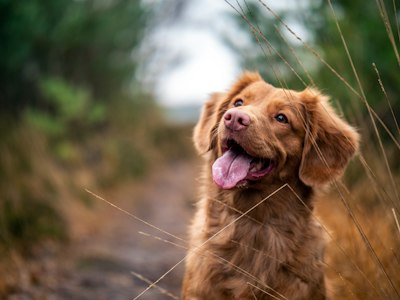
My first road trip with a dog was a disaster. I was 22, driving a beat-up Honda Civic from Chicago to Nashville with my newly adopted rescue mutt, Charlie, loose in the back seat. He vomited twice before we hit the Illinois state line. We pulled over at a rest stop and he bolted toward the highway — I caught him by pure luck. And when we finally rolled into that motel parking lot at 11 PM, the front desk clerk took one look at Charlie and said, "Sorry, no pets." I slept in the car that night with a sick, anxious dog and learned more about pet travel in those 14 hours than any book could have taught me.
That was over a decade ago, and honestly, I still cringe thinking about it. Since then I've logged probably 40,000 miles with dogs of all kinds — nervous rescues, seniors with arthritis, and one Pomeranian who refused to pee on anything but grass. I've flown across the Atlantic with a dog under the seat, taken a ferry with a Great Dane in cargo, driven through three national parks with a crate of anxious panting. Some trips went great. Some were total disasters.
Why You Need to Actually Restrain Your Dog
Look, I was lucky Charlie only threw up and bolted. A 30-pound dog in a 40-mph crash turns into a projectile with the force of over 1,200 pounds. I'm not telling you this to sell you something — I'm saying it because nobody warned me and I didn't think about it until after.
I use the Sleepypod Clickit harness now. Runs about $100. It's the only pet restraint with a five-star crash safety rating. For crates I splurged on a Gunner G1 Medium — $600, and yeah, my bank account still hates me — but I've watched their crash test footage and I'll never go back. If you can't swing that, at minimum put your dog in a harness buckled to a seatbelt in the back seat. Never the front. Airbags will kill a dog.
Motion sickness is real too. About one in six dogs gets it. For mild cases, keep the stomach empty during the drive and feed after. Dramamine works at about 2-5 mg per pound, given 30 minutes before you leave — but ask your vet first. My vet prescribed Cerenia for my anxious beagle mix and it made a huge difference. Also crack the windows. Fresh air helps more than you'd think.
I set a timer on my phone the second we leave the driveway. Every 2 to 3 hours — out of the car, leash on, at least 10 minutes of wandering, water offered. I keep a collapsible silicone bowl in my jacket pocket at all times. On hot days I pour water on paw pads and bellies. (Learned that from a random stranger at a rest stop in Virginia, and I'm still grateful.)
Flying With a Dog — It's Kind of a Crapshoot
I've flown with dogs in-cabin on six different airlines. The rules are all different and they change constantly. Delta charges $95 each way and the dog plus carrier has to stay under 20 pounds. American is $125 with a carrier max of 19" x 13" x 9" — and they only allow one pet per flight in first class, so you have to book stupid early. United is $125 in-cabin and their cargo program PetSafe starts at $350+. Southwest is $95 and the carrier counts as your carry-on. JetBlue's JetPaws program is $125 but they give you a free carrier when you sign up, which is honestly a nice touch. Alaska runs $100 and won't do cargo to hot destinations in the summer.
Whatever airline you pick, get a health certificate within 10 days of flying. The vet examines your dog, checks vaccinations, and issues an APHIS Form 7001. That visit set me back $120 last time. Some vets also want a fecal test or heartworm test within 30 days. Call ahead or it'll mess up your whole timeline.
The thing is, if you own a flat-faced breed — pug, bulldog, Boston terrier — do not put them in cargo. Period. Their airways can't handle the stress or temperature shifts down there. Honestly, even in-cabin makes me nervous on hot days. Most airlines won't accept cargo pets above 85°F or below 20°F at either end. Book early morning or late evening summer flights if you can.
And look, if your pet can't fly in-cabin with you, I'd think really hard about whether the trip is worth it. I've done cargo once. Once. I wouldn't do it again unless I was moving permanently.
Pet-Friendly Hotels — Don't Trust the Label
"Pet-friendly" is a marketing term. I'm not being cynical, I'm speaking from experience. I once booked a "dog-friendly" cottage and arrived to find a $500 penalty clause for dogs on the furniture. The floors were all white carpet.
BringFido and GoPetFriendly are the best sites I've found — they actually filter by weight limits, fees, and amenities. I also read reviews looking for keywords like "pet smell" or "dog barking." If guests are complaining about dog noise, the hotel's pet policy is probably garbage.
Things that make me skip a place: limited "pet rooms" (they're isolating you), fees over $75 a night (price gouging), weight limits under 25 pounds (not serious). The best chains I've used are Kimpton (no fees, no weight limits), La Quinta (usually $25/night), and Red Roof Inn (free at most locations). Motel 6 is hit or miss depending on who runs it — anywhere from $0 to $10.
Before you book, call the front desk. Ask how many pet rooms they have and where the potty area is. If they hesitate or say "outside somewhere," move on to the next place. I learned that one the hard way too.
What I Pack (After Forgetting Everything at Least Once)
I keep a duffel packed and ready so I stop forgetting stuff. Here's what's in it:
Food for the whole trip plus three extra days. Bottled water from home — switching water sources can give your dog diarrhea and cleaning that up on the road is truly awful. Collapsible silicone bowls from Amazon, about $12. A regular 6-foot leash and a 15-foot long line for rest stops. Martingale collar with ID tags that have my cell and my vet's number. Crash-tested harness. A blanket from home because the smell calms them down. Two toys — one tough one for the car, one soft one for the hotel. All medications clearly labeled. Vaccination records printed out (not just on my phone, because phones die at the worst times). A pet first-aid kit with gauze, vet wrap, antiseptic wipes, tweezers, and Benadryl (1 mg per pound, but talk to your vet first). Poop bags. Nature's Miracle spray for accidents. Paper towels. High-value treats. A cooling mat for hot days. Towels for muddy paws. A reflective collar for nighttime bathroom stops.
It's a lot. But I've needed every single item at some point. The cooling mat especially — three summers ago in Tennessee I thought I was being dramatic packing it. I was not.
Driving Across the Country With a Dog Who Hated Cars
The summer of 2022, I drove with my dog Finn from Portland, Maine to Portland, Oregon. About 3,300 miles over 10 days. Finn was a beagle-lab mix I adopted as a senior from a hoarding situation. He was terrified of everything. Car rides longer than 10 minutes triggered panting, drooling, pacing so bad he'd wear his paw pads raw on the crate floor.
Day one was brutal. He refused to eat, wouldn't settle, cried for three straight hours through upstate New York. I almost turned back at Syracuse. Instead I pulled into a rest stop, sat in the grass with him for 45 minutes with the engine off and the windows down, and gave him a calming treat. Slow. Boring. That became our rhythm: 90 minutes of driving, 30 minutes of decompression.
By day four, somewhere in Wisconsin, he started resting in the crate. Not sleeping, but lying down. I nearly cried. By day seven, in the Badlands of South Dakota, he poked his head out the window for the first time — ears back, eyes squinting, nose working the air. That photo is framed on my desk now.
We made it to Portland. Finn walked across the bridge to Tom McCall Waterfront Park like he'd lived there his whole life. The trip took more patience and more money than I'd planned — probably a few hundred extra in motel fees. But it proved to me that you can work with an anxious traveler. You just can't rush it.
Calming Products — What Actually Helped
I've tried so many calming products. Here's what I'd actually buy again:
The Thundershirt ($40) — gentle pressure, works for maybe 60% of dogs I've tried it on. Not magic but worth having. Adaptil pheromone spray ($20) — I mist the crate bedding 15 minutes before we leave and it seems to take the edge off. Zesty Paws Calming Bites ($22 for 90) — suntheanine and chamomile, mildly effective for mild anxiety. For real anxiety though, prescription trazodone from my vet was the only thing that actually helped my worst-case dog. The vet consult was $65 and worth every penny.
What doesn't work? CBD products with no dosage research. Essential oils (many are straight-up toxic to dogs). "Calming music" on its own. Forcing your pet into a carrier and hoping they adjust. Anxiety is real physiological distress — you can't wish it away, and I've tried.
International Travel — Honestly, Think Twice
Taking a dog outside the US is a whole different beast. The European Union needs an EU health certificate endorsed by the USDA, an ISO microchip, and a rabies titer test that takes 2-4 weeks and costs $200-400. The UK also wants tapeworm treatment 1-5 days before entry. Australia has 10 days of mandatory quarantine at around $2,000. Hawaii (not international but might as well be) has a 5 or 120-day quarantine depending on whether you follow their direct-release program exactly.
And breed restrictions are real. The UK bans pit bull terriers, Japanese Tosas, Dogo Argentinos, and Fila Brasileiros under the Dangerous Dogs Act. If you show up with a banned breed, the laws in some places allow euthanasia. Check the official government website of wherever you're going. Not a blog. The laws change and the stakes are high.
Sometimes the Kindest Thing Is Leaving Them Home
I'll be real with you — not every trip is a pet trip. If you're going somewhere for 72 hours of back-to-back meetings, or a beach vacation where dogs aren't allowed on the sand, or a wedding weekend with zero time for walks — leave them home. A good sitter ($25-50 a day on Rover) or a boarded kennel ($35-65 a night) is better than dragging a miserable pet along.
For sitters: meet them first in your home. Watch how they interact with your dog. Leave a detailed care sheet. For boarding: tour the place. Check for clean kennels, outdoor access, and reasonable staff-to-dog ratios. If they won't let you tour, walk away. And don't assume family actually wants the job — I had a cousin "volunteer" to watch my dog once and then left him alone for 14 hours. I'm still not sure I've forgiven her.
One last thing because I cannot say it strongly enough: never leave a dog alone in a parked car. On an 85°F day, the temperature inside hits 102°F in 10 minutes. Even with the windows cracked. On a 70°F day, the interior gets to 89°F in 10 minutes and 99°F within 20. Cracked windows do almost nothing. If it's warm and you can't bring your dog inside with you, leave the dog home. Full stop.
Look, traveling with a dog is never easy. It costs more, takes more planning, and tests your patience in ways you don't expect. But I've watched a scared rescue discover the ocean for the first time, shared ice cream with a beagle in a national park parking lot, and woken up in a motel bed with a 50-pound mutt curled against my legs snoring loud enough to shake the headboard. Those moments make it worth every extra stop and every lost deposit.
Start with a short trip. Two hours. See how your dog handles it. Build from there. And pack the enzyme cleaner — trust me, you won't regret it.